Groundhog Day has a special kind of classroom magic. You get a curious little groundhog, a simple prediction, and a tradition that feels playful in the middle of winter. For kids ages 5 to 8, Groundhog Day is also a sweet spot for learning because it invites talking, listening, noticing details, and sharing ideas without pressure.
If you teach, homeschool, or care for a group of young children, you can use this day to build strong literacy skills in a way that feels like a celebration. Keep it light, keep it short, and let the story do a lot of the work.
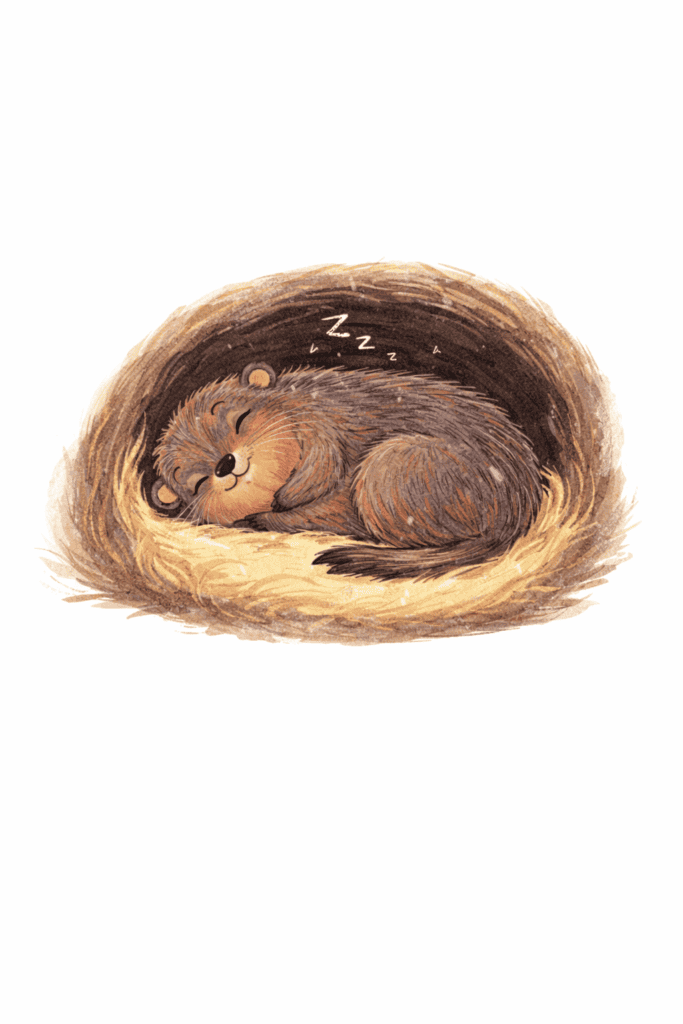
What is Groundhog Day, and why do we celebrate it?
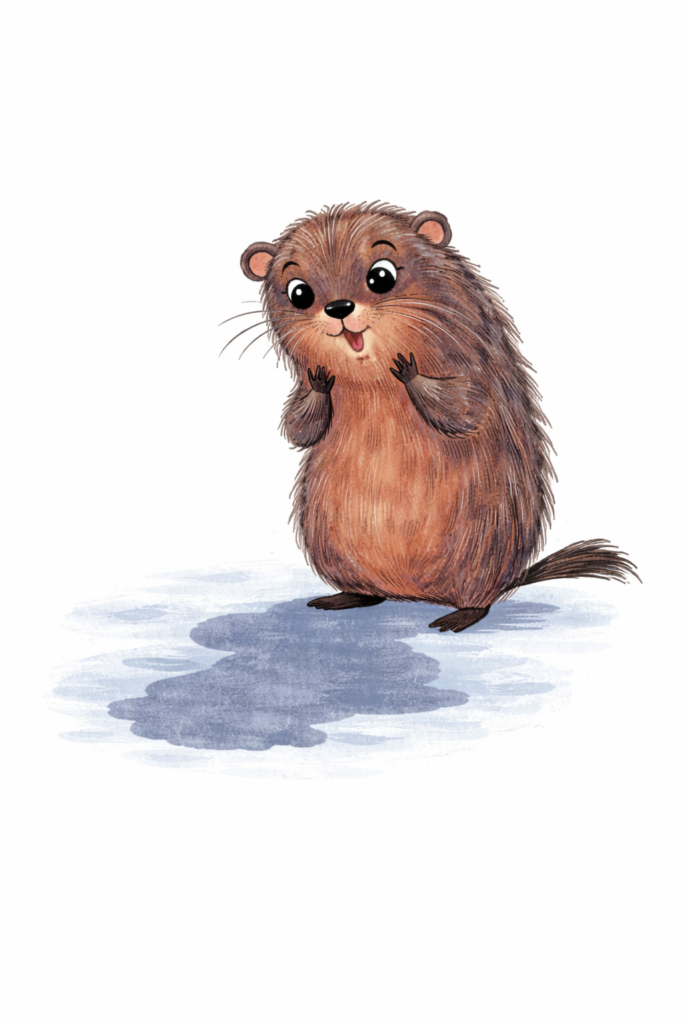
Groundhog Day is celebrated on February 2. The tradition says that a groundhog comes out of its burrow to look for its shadow.
- If the groundhog sees its shadow, it gets “scared” and goes back in, and people say there will be six more weeks of winter.
- If the groundhog doesn’t see its shadow, people say spring will come sooner.
This is a long-time weather tradition. It’s not a real forecast (your students will remind you when it snows in March), but that’s part of the fun. Kids love that it’s a big deal built around something small, a furry animal, a shadow, and a clear yes-or-no prediction.
From a teaching point of view, it’s also a gift because it connects to skills you’re already building:
Listening and retelling in order
Noticing details
Making a guess and giving a reason
Learning new seasonal words
A simple way to explain Groundhog Day to kids
Here’s a kid-friendly explanation you can use before a read-aloud or morning gathering:
“On Groundhog Day, people watch a groundhog to see if it notices its shadow. It’s a fun tradition about winter and spring. We can make a prediction, then we can compare it to what happens next.”
Keep it short. Young kids don’t need a long history lesson to get the point. They need a clear story they can repeat in their own words.
How to get kids involved (without turning it into a huge project)
You don’t need a big party plan. A few small routines can make the day feel special and still keep learning at the center.
Start with a quick class vote
Use simple voting options and let kids explain their thinking.
“Shadow” or “No shadow”
“More winter” or “Early spring”
Talk prompt: “I predict ___ because ___.”
For younger students, offer sentence starters on the board and read them aloud together.
Make a shadow demo
Grab a flashlight and a small toy (or your hand). Turn the lights down for one minute and show how a shadow changes based on where the light is.
Keep it safe and simple:
One flashlight
One object
One wall
Quick link to the tradition: “The groundhog’s shadow is part of the story. Shadows happen when something blocks light.”
Add a mini movement break
Try one of these quick options:
“Pop up like a groundhog” stretches
“Burrow and peek” (crouch, then stand and look around)
“Winter or spring” (teacher calls a season, kids act it out)
It burns energy and builds engagement before you ask for quiet listening.
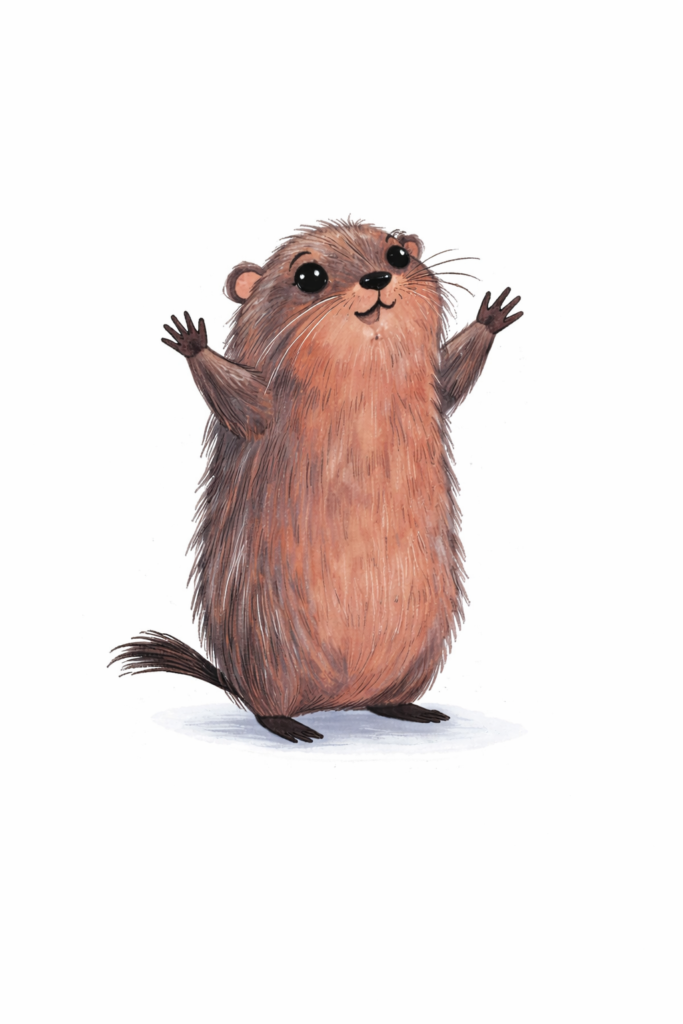
The learning connection: reading, predicting, and retelling
Groundhog Day fits naturally with early reading skills because the story structure is easy to follow. Kids can hold the main idea in their heads, even if they are still building attention and stamina.
When you read a Groundhog Day picture book like Phil’s Big Day, you can support:
- Sequencing, putting events in order
- Prediction, using clues to guess what will happen
- Comprehension questions, answering who, what, where, when, and why
- Text-to-world connections, linking the story to a real tradition
These are big skills for kindergarten through second grade, but they don’t have to feel heavy. A warm read-aloud, a few guided questions, and one follow-up page can go a long way.
Read-aloud ideas that build comprehension (and keep it fun)
Here are a few teacher-friendly ways to use a groundhog day read-aloud without adding a stack of extra prep.
Before reading: set the purpose
Keep it simple and clear.
“Today we are going to listen for the order of events.”
“Today we are going to make a prediction, then check it.”
You can also pre-teach two or three words that might trip kids up (like shadow, predict, burrow, winter).
During reading: pause for quick predictions
Stop at one or two key moments, not every page. Too many stops can break the flow for young kids.
Talk prompts:
“What do you think will happen next?”
“What clue did you hear that helped you?”
Accept short answers. A five-year-old doesn’t need a perfect explanation. A simple reason is enough.
After reading: go back to the story structure
This is where kids start to own the story.
Try these quick options:
Retell the story in three parts: beginning, middle, end
Name the problem and solution
Sort events in order (first, next, then, last)
Tip: If kids struggle, do it together first. Shared retell builds confidence fast.
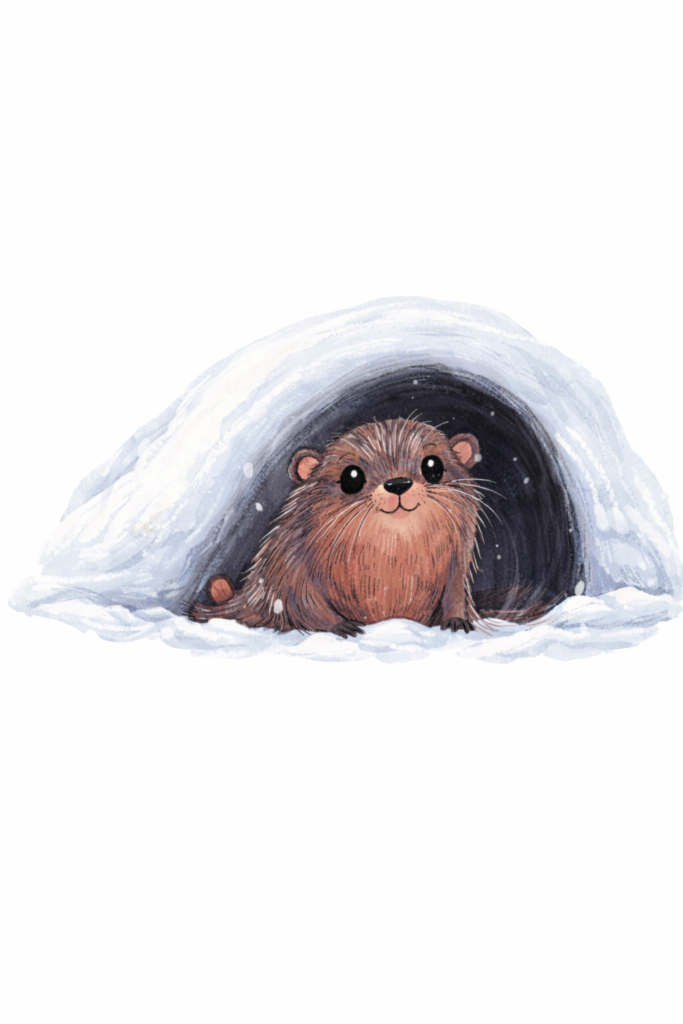
Groundhog Day activities for ages 5–8 (low-prep and classroom-friendly)
These ideas work for classrooms, homeschool groups, and daycare settings. Choose one literacy activity and one fun extra. That’s plenty for one day.
Prediction chart (whole group)
Make a two-column chart: Shadow and No Shadow. Write student names or add sticky notes.
Then add one more row: “My reason.”
Young kids love seeing their ideas displayed. It also gives you an easy way to model that predictions are guesses, and it’s okay to be wrong.
Sequencing cards (small group or center)
Have kids put 3 to 5 story events in order. If you don’t have printed cards, they can draw quick sketches on paper and then swap with a partner.
Extension: Have them use time words out loud.
- First
- Next
- Then
- Last
“What would you do?” writing prompt
Groundhog Day invites imagination, and it’s great for early writing.
Choose one:
“If I were a groundhog, I would ___.”
“If I saw my shadow, I would ___.”
“I think winter feels like ___.”
“I think spring feels like ___.”
For kindergarten, let them dictate a sentence to you or write one sentence with a picture.
Draw and label: winter vs. spring
Fold a page in half. Label one side “winter” and the other side “spring.” Kids draw and label a few details on each side.
Helpful word bank:
- snow
- coat
- ice
- wind
- flowers
- rain
- birds
- sunshine
This supports vocabulary, spelling practice, and observation.
Comprehension questions that don’t overwhelm
A few strong questions beat a long list. Aim for 4 to 8, depending on age and stamina.
Mix in:
One literal question (right from the text)
One sequencing question
One prediction question
One connection question
Examples (if using Phil’s Big Day book):
“Who is the main character?”
“What happened first?”
“What did the groundhog decide?”
“What would you do if you were Phil?”
Partner retell with sentence starters
Pair kids up. One talks, one listens, then switch.
Sentence starters:
- “First, ___.”
- “Then, ___.”
- “After that, ___.”
- “In the end, ___.”
This builds speaking and listening skills, and it supports kids who need rehearsal before writing.
Keep it kind and inclusive
Not every child has the same background knowledge or the same relationship with winter. Some kids love snow, some kids dread it, and some kids have never seen it.
You can hold space for that with simple language:
“Some people love winter, and some people don’t.”
“In our room, we can have different opinions.”
“We can still enjoy the story and the tradition.”
That small reminder builds community fast.
A no-prep option for busy days
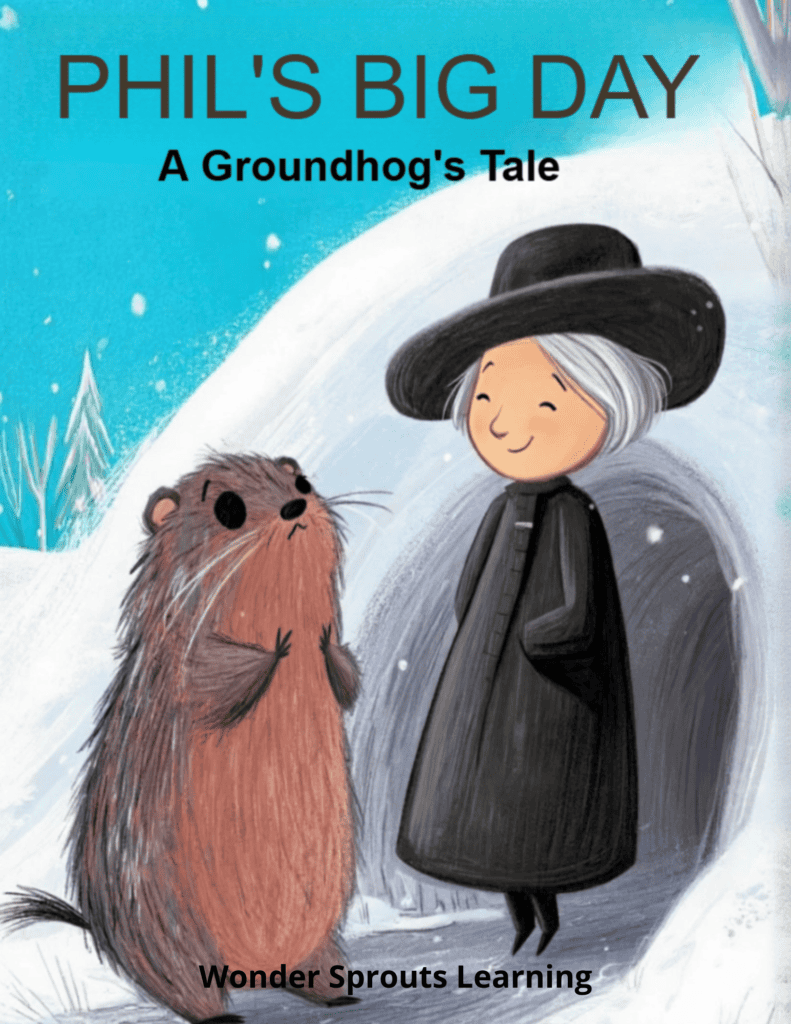
If you want a complete, print-and-go resource along with a read-aloud, the Phil’s Big Day Groundhog Day Book and Reading Companion was made for ages 5 to 8. It’s designed to help you teach comprehension and sequencing without spending your evening making pages.
Inside, you’ll find activities that support:
- Original Story: Phil’s Big Day with full-color illustrations
- Sequencing Activity: “What Happened First?” cut-and-paste
- Basic Comprehension (multiple choice)
- Short-Answer Comprehension Prompts
- Writing Prompt: “My Groundhog Prediction”
- Games, Puzzles, and Coloring Page
It works well for whole groups, small groups, literacy centers, or take-home practice.
Your students will LOVE Phil’s charming adventure, and you’ll love how easy this is to implement!
👉 Explore the book and full reading companion here
A simple plan you can use on February 2
Wrap-up: Keep the learning playful and steady
Groundhog Day works because kids understand the heart of it right away: a groundhog, a shadow, and a guess about the weather. That simple setup makes room for rich learning, especially reading comprehension and prediction skills.
Pick one strong read-aloud, add one hands-on activity, and let kids talk. You’ll get language practice, confidence, and a classroom moment they remember, all in one cozy winter day.
Select one of the images below and Pin to your favorite Pinterest Board

Wonder Sprouts Learning TPT Store
Welcome to Wonder Sprouts Learning, your go-to spot for fun, engaging, screen-free printables for kids ages 3–12. Whether you’re a teacher, homeschool parent, early educator, or caregiver, you’ll find activity books, chore charts, trip guides, planners, and more. Everything is made with real classroom and caregiving experience, to help learning feel like play. New resources are added often, so check back or follow the store for updates