That first day back to school after winter break sounds fun, until you’re back in your routine with kids who seem to have forgotten every school habit.
Someone is exhausted.
Someone is extra grumpy.
Someone truly cannot remember how to sit on the rug.
That’s not a failure, it’s a normal restart.
After weeks of later bedtimes, loose schedules, and nonstop excitement, going back to the classroom can feel like a lot. This is even more true for younger students, sensitive kids, and neurodiverse learners. The good news is you can make the transition feel calmer with a few simple supports.

Start With “What’s Next?” (Not “Hurry Up!”)
After a long break, transitions feel harder, even the ones kids know well.
Instead of rapid-fire directions like:
“Clean up, line up, grab your coat, we’re late!”
Give a simple visual that answers one question, what happens next?
Now → Next → Then
Example:
- Now: Morning work
- Next: Circle time
- Then: Snack
When kids can see the plan, their bodies settle. You’ll often see fewer power struggles and more follow-through.
Classroom tip: Post your Now, Next, Then near the board, update it each morning, and let students help you change it.
Offer Calm Choices (Because Too Many Options Feel Like Too Much)
After the holidays, some kids look “fine” but feel out of sync inside. When you offer a small set of calm choices, you give them control without flooding them with decisions.
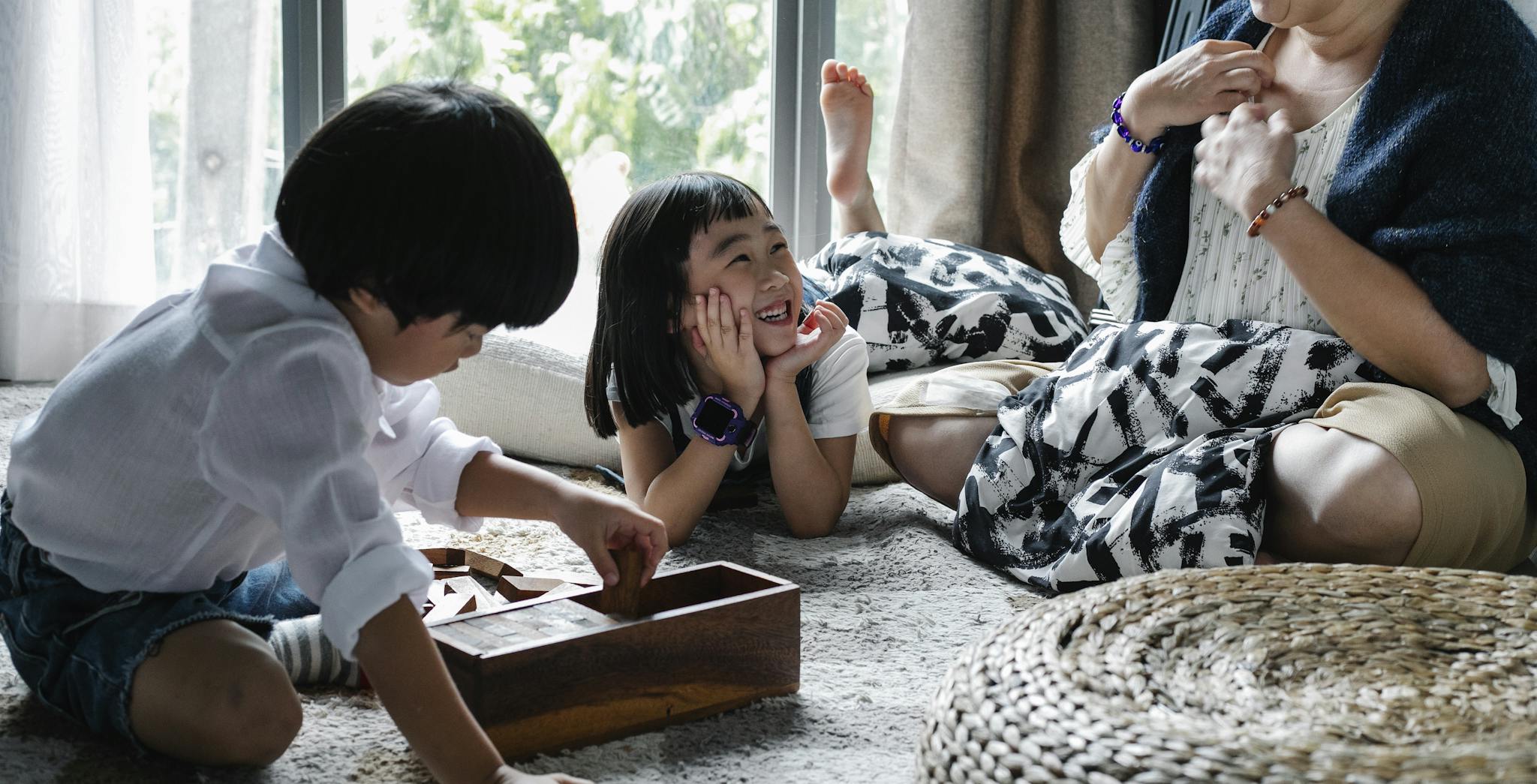
Keep it to 2 to 4 options, such as:
- Coloring or drawing
- Building with blocks or Legos
- Playdough or putty
- Looking at books
Let students pick a reset before you ask for big focus.
Calm bodies learn better, every time.
Use a Gentle Classroom Flow (Not a Packed Day)
Jumping right back into a full academic schedule can backfire. During the first week, aim for a steady rhythm you repeat each day.
A simple flow might look like this:
- Arrival routine
- Short task
- Movement or sensory break
- Learning block
- Calm reset
You still have structure, you just remove some pressure. That can change the whole mood of the room.
Check In With Feelings Before Things Boil Over
Kids don’t always know how to say, “My brain feels too full,” or “My body is on high alert.” Visuals and simple language help.
Try a quick daily check-in:
- “How does your body feel today?”
- “Pick a face that matches your feeling.”
- “Are you calm, wiggly, or tired?”
You’re not trying to fix the feeling on the spot. You’re teaching kids to notice it, name it, and ask for what helps.

Set Up a Calm Spot That Feels Safe (Not Like Trouble)
A calm corner works best when it’s taught as a tool, not a consequence. Think of it as a reset space kids can use before they fall apart.
Helpful items include:
- Fidgets
- Headphones
- Visual supports (breathing cards, emotion cards)
- A timer
- A cozy seat
Show students how to use it when they’re already okay. Practice it like you would practice lining up.
Independence plus self-regulation is real growth.

Classroom Tools That Fit These Routines
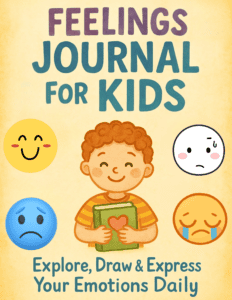
This Feelings Journal for Kids is a printable social-emotional learning tool designed to help children explore, express, and manage their emotions. Perfect for classrooms, counseling, or homeschool settings, it encourages mindfulness, emotional intelligence, and creative self-expression through guided prompts and illustrations.
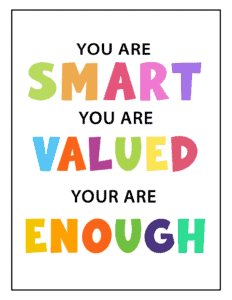
Motivational Classroom Posters
This printable resource includes 6 bold and colorful motivational posters designed to inspire confidence, empathy, and self-worth in students of all ages. With powerful phrases like “You Are Enough”, “Be Kind”, and “Learning Is Your Superpower”, these posters help cultivate a positive and growth-oriented classroom environment.
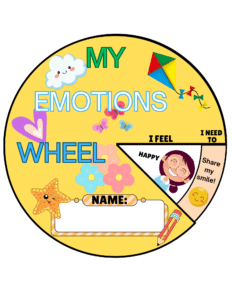
Help kids identify their feelings and choose healthy coping strategies with this interactive SEL Emotions Wheel Activity! This hands-on resource supports emotional regulation, self-awareness, and decision-making through a fun, engaging spinner format. Perfect for classroom calm-down corners, morning meetings, or homeschool SEL lessons.
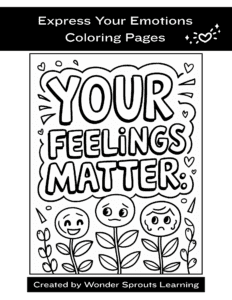
Express Your Emotions Coloring Book
Help kids explore and express their feelings through creativity with these Express Your Emotions Coloring Pages! Designed as a social-emotional learning (SEL) tool, this book features engaging, emotion-themed coloring pages that support emotional awareness, vocabulary, and mindfulness in a fun and accessible way.
Ready to Try?
Your goal after the holidays isn’t perfect behavior. It’s helping kids feel safe, steady, and ready to try again.
Pick one routine to slow down and re-teach this week, then give it a few days to stick.

Wonder Sprouts Learning TPT Store
Welcome to Wonder Sprouts Learning, your go-to spot for fun, engaging, screen-free printables for kids ages 3–12. Whether you’re a teacher, homeschool parent, early educator, or caregiver, you’ll find activity books, chore charts, trip guides, planners, and more. Everything is made with real classroom and caregiving experience, to help learning feel like play. New resources are added often, so check back or follow the store for updates