If you’ve ever told a child to “clean your room” and watched the moment fall apart, you’re in familiar company. What can look like refusal is often something else: confusion, overwhelm, or not knowing what “clean” is supposed to mean.
You see this a lot with kids who have ADHD, autism, or sensory needs, but it can happen with any child. Chores aren’t always hard because a child doesn’t care. They’re hard because the expectations feel fuzzy, and the starting point isn’t clear.
That’s where chore charts can help.
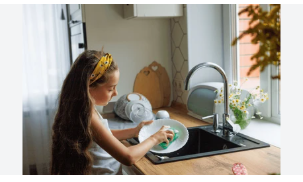
Why Chores Can Feel Too Big
Most chore systems depend on spoken reminders:
“Pick up your toys.”
“I told you to start already.”
“Why isn’t it done?”
For some kids, those words pile up fast. Following verbal directions takes a lot of brain work, like:
- Holding the instructions in mind
- Figuring out what to do first, second, and last
- Staying calm when the task feels hard
- Keeping track of time
That’s a heavy load before the chore even begins. When it all hits at once, your child might freeze, argue, or melt down, not because they won’t help, but because they can’t organize the steps yet.

Why Visual Chore Charts Help
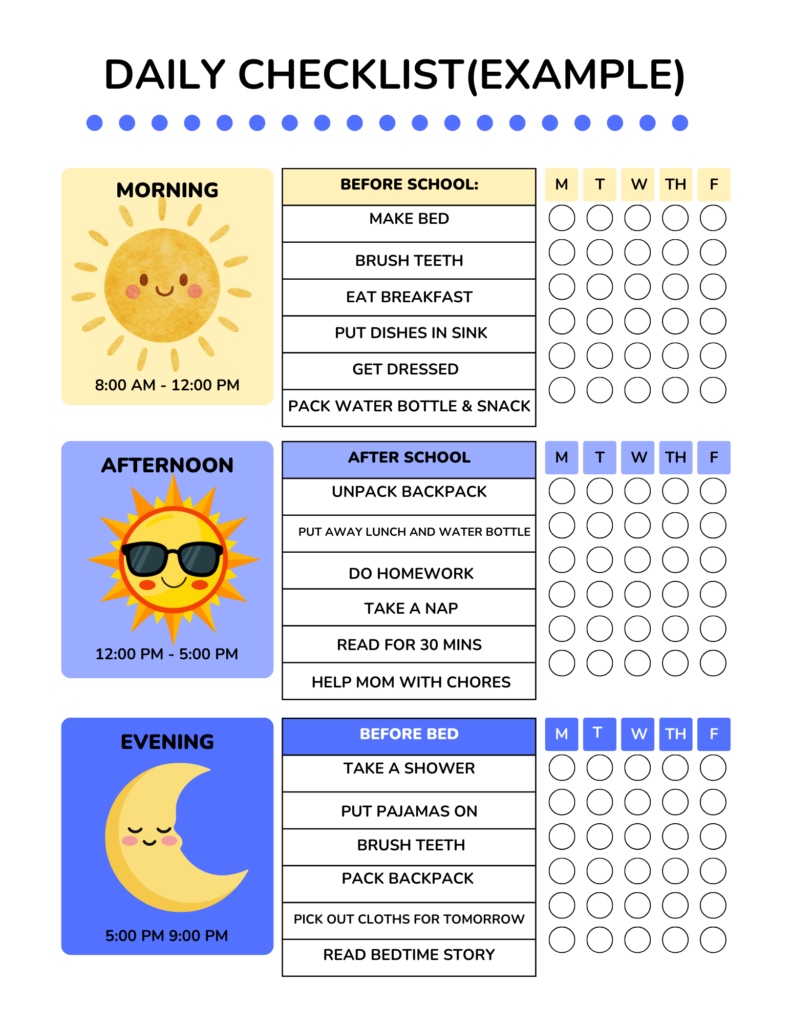
Visual chore charts take the mental list out of your child’s head and place it somewhere they can see. That simple shift often lowers stress for everyone.
A good visual chart can:
- Make expectations clear and steady
- Break one big chore into small steps
- Cut down on repeat reminders
- Support independence
- Build confidence through quick wins
Instead of guessing what you mean, your child can look at the chart and know what to do next. Clear steps make routines feel possible.
Visuals Can Feel Safer Than Words
This part surprises some caregivers, but it matters. Visual systems often feel calmer because they are predictable.
A chart:
Doesn’t change its tone
Doesn’t get louder when your child struggles
Doesn’t sound disappointed
Stays the same day after day
When your child feels less judged and more supported, you often see:
Fewer power struggles
Easier transitions
More follow-through
Stronger self-esteem
You’re not removing expectations, you’re making them easier to understand.
“Will My Child Rely on the Chart Too Much?”
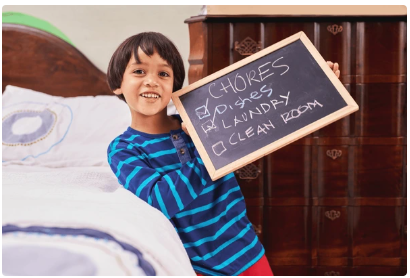
Visual supports don’t block independence; they build it through practice. Over time, your child starts to remember the steps without looking. The chart turns into a quiet prompt instead of the whole system.
Think of it like training wheels, helpful now, less needed later.
Calm Comes From Clarity
If your home feels tense around chores, you don’t need more reminders. You need clearer expectations.
Visual chore charts bring structure, reduce guesswork, and make routines feel steadier. When your child can see what’s expected, they’re more likely to start and more likely to finish.
Try a Simple Visual Routine at Home
You don’t have to redo your whole schedule. Start small.
One routine.
One chart.
One spot on the wall.
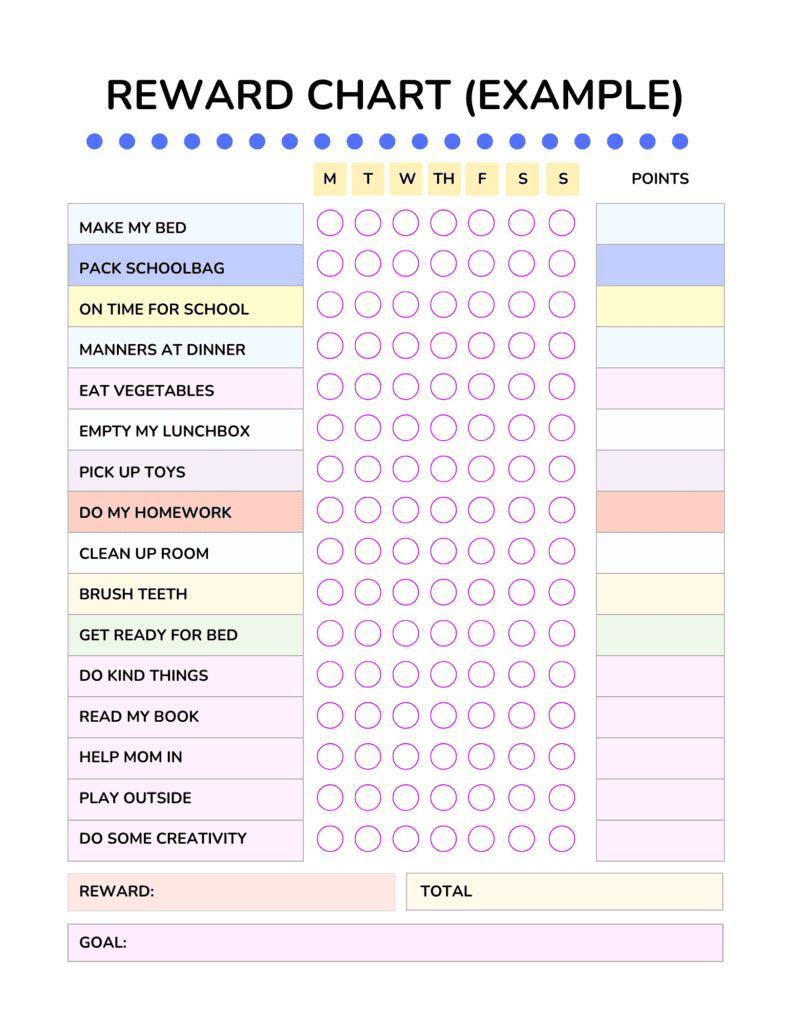
Make-Your-Own Visual Chore Chart
This low-prep option works well for young kids and many neurodiverse learners.
What you’ll need:
- A blank chore chart template (boxes or rows)
- Crayons, markers, or stickers
- Optional: Velcro dots or magnets
How to use it:
- Pick one routine (morning, after school, or bedtime).
- Sit with your child and name each step in simple words.
- Let them draw pictures or add stickers for each chore.
- Hang it at eye level where the routine happens.
When your child helps make the chart, they usually buy in faster. They feel ownership, not pressure.
Tip: Slip the chart into a page protector so you can use a dry-erase marker and reuse it.
Children’s Books That Support Routines and Responsibility
Books can introduce chores and teamwork in a gentle way. These pair nicely with visual systems:
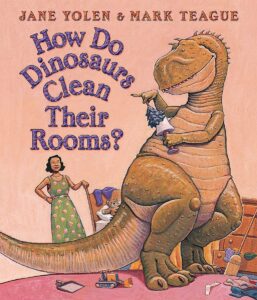
How Do Dinosaurs Clean Their Room? – Jane Yolen
Come along for some BIG fun as your favorite dinosaurs learn to pick up and put away their toys. How do dinosaurs clean their rooms? With trash cans and dusters and brooms!
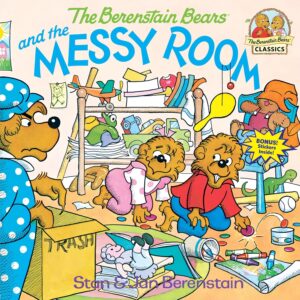
The Berenstain Bears and the Messy Room – Jan and Stan Berenstain
This classic Berenstain Bears story is a perfect way to teach children about tidying up, organization, and taking good care of their belongings!
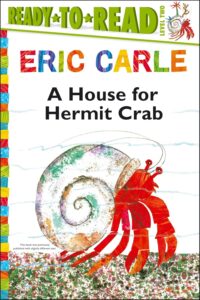
A House for Hermit Crab – Eric Carle
In this classic story from Eric Carle, Hermit Crab grows out of one house after another as he searches for the perfect home. Children who must change schools, move to a new town, or even graduate to a new grade in school will relate to Hermit Crab’s situation and take heart as they see that growing up isn’t really so scary after all.
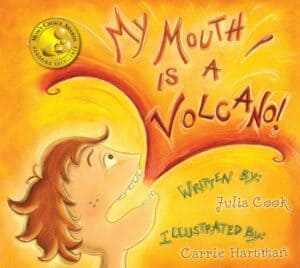
My Mouth Is a Volcano! – Julia Cook
Teach children how to manage their thoughts and words without interrupting.
Children who interrupt often aren’t trying to be rude—their thoughts just feel too important to hold in. My Mouth Is a Volcano! uses an empathetic, child-friendly approach to help young learners understand their feelings and practice listening and self-control.
A simple idea to try: read one book, then introduce one new chart. Your child gets the “why” before the “do.”
Wonder Sprouts Learning Resources
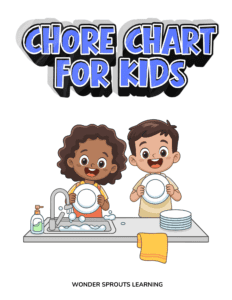
Empower kids to take responsibility with this editable and printable chore chart bundle. Includes checklists, schedules, and reward trackers to help build positive habits at home or in the classroom.
This resource provides a well-structured, visually engaging system for teaching kids personal responsibility, organization, and time management. It includes:
- Daily and weekly chore charts with editable fields
- Sample schedules and checklists for reference
- Separate planning pages for morning, afternoon, and evening routines
- Reward charts to encourage consistent positive behavior
- Pages for 3 children to track tasks simultaneously
- Themed visuals like “Reading Time,” “Bath Time,” and “Go to School” for motivation and clarity
- Ample space for custom tasks, notes, and goals
Whether used at home, in the classroom, or in a homeschool setting, this tool promotes independence, accountability, and fun.
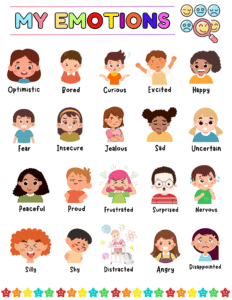
Social Emotional Learning Worksheets
Support young learners in understanding emotions, building empathy, and developing healthy coping skills with these Social Emotional Learning Worksheets! This printable resource is designed specifically for preschool through early elementary students to help them explore and express their feelings in a simple, engaging way.
What’s Included:
Emotion identification and expression worksheets
Drawing and writing prompts about feelings
Creative activities for self-awareness and empathy
Print-ready PDF format for individual or small group use
Perfect for Pre-K to 2nd grade
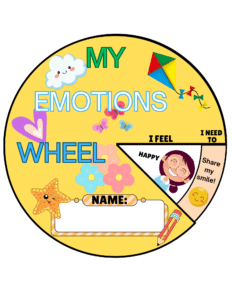
Help kids identify their feelings and choose healthy coping strategies with this interactive SEL Emotions Wheel Activity! This hands-on resource supports emotional regulation, self-awareness, and decision-making through a fun, engaging spinner format. Perfect for classroom calm-down corners, morning meetings, or homeschool SEL lessons.
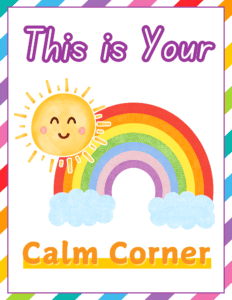
Create a peaceful, supportive space with this Set of Calm Corner Posters! Designed to help children manage big emotions, these printable posters offer visual reminders and calming strategies that promote self-regulation, mindfulness, and social-emotional learning (SEL).
What’s Next
Visual chore charts work best when you keep the focus on connection and clarity, not perfection.
A simple chart.
A shared read-aloud.
A clear reminder your child can trust.
That combination can turn daily battles into calmer routines and help your child feel capable in the process.
Please pin one of your favorite images from below to your Pinterest board.

Wonder Sprouts Learning TPT Store
Welcome to Wonder Sprouts Learning, your go-to spot for fun, engaging, screen-free printables for kids ages 3–12. Whether you’re a teacher, homeschool parent, early educator, or caregiver, you’ll find activity books, chore charts, trip guides, planners, and more. Everything is made with real classroom and caregiving experience, to help learning feel like play. New resources are added often, so check back or follow the store for updates